🔍 1. Selection & Matching
Q1: Where are the best places to install wall sconces?
Wall sconces are highly versatile and work well in various areas:
-
Bedroom (Bedside): Replaces traditional nightstands lamps, saving space and creating a cozy, relaxing ambiance before sleep.
-
Living Room Accent Walls: Used for secondary or accent lighting to highlight wall decor (like artwork) or to add depth to the room.
-
Hallways & Staircases: Provides directional lighting to ensure safe navigation at night.
-
Bathroom/Vanity Mirror: Placed on either side or above the mirror to reduce facial shadows, making grooming or applying makeup easier.
-
Entryway/Foyer: Acts as a welcoming light, giving a warm first impression upon entering the home.
Q2: What are the different types of wall sconces, and how do I choose?
They can generally be categorized by light direction:
-
Uplight Sconces: Direct light upward toward the ceiling, creating a soft, diffused glow. Perfect for ambient lighting.
-
Downlight Sconces: Cast light downward, making them ideal for task-oriented areas like bedside reading.
-
Diffused/All-Around Sconces: The shade allows light to pass through in all directions, providing higher brightness. Great for hallways or vanities.
-
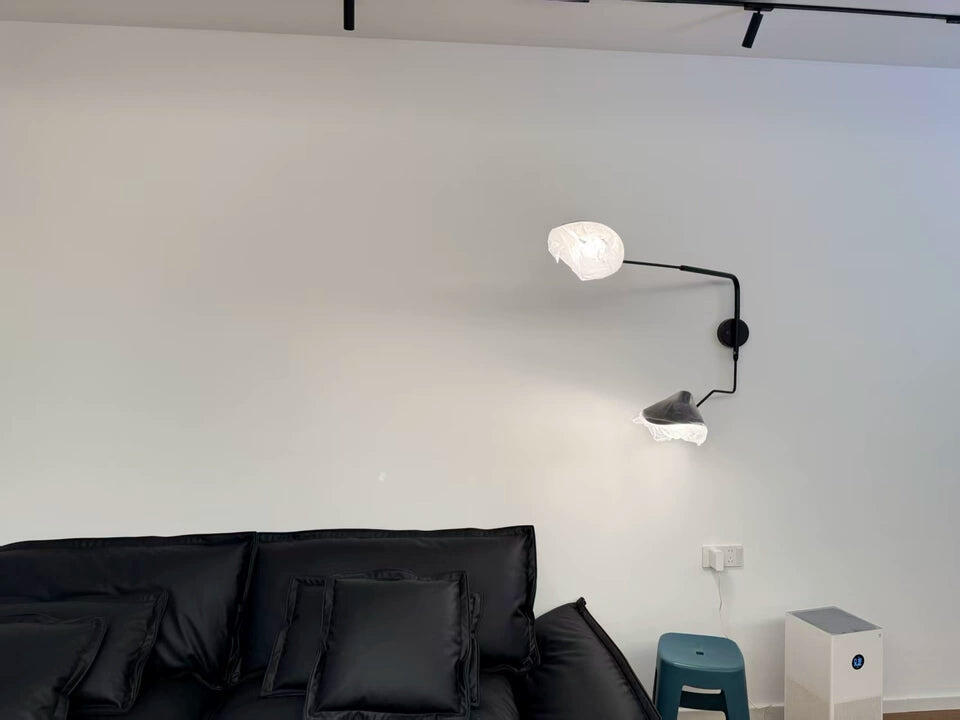
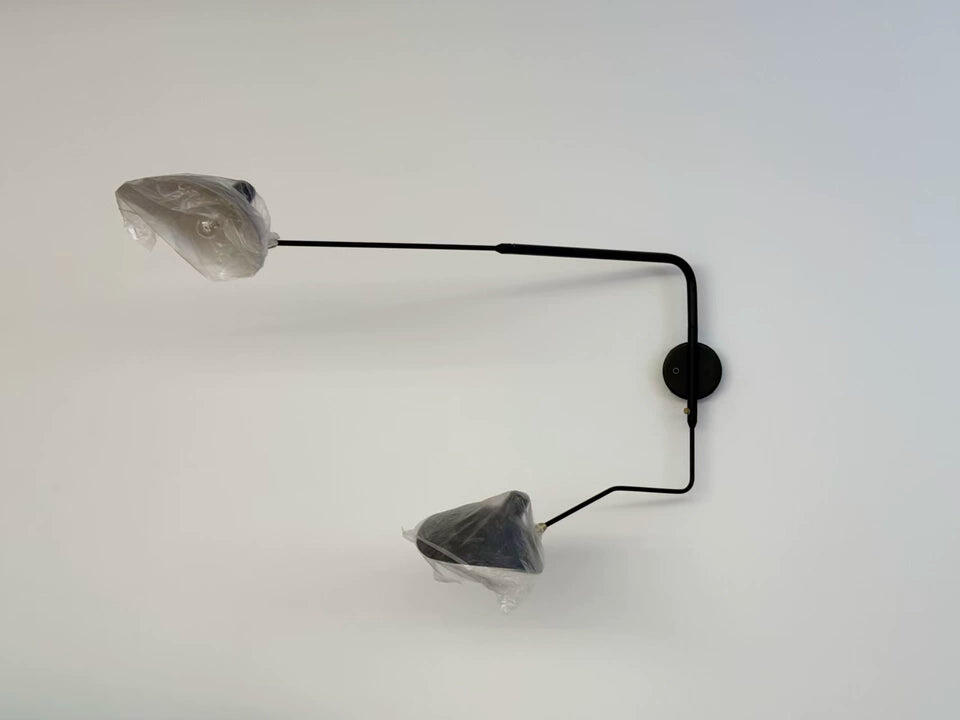
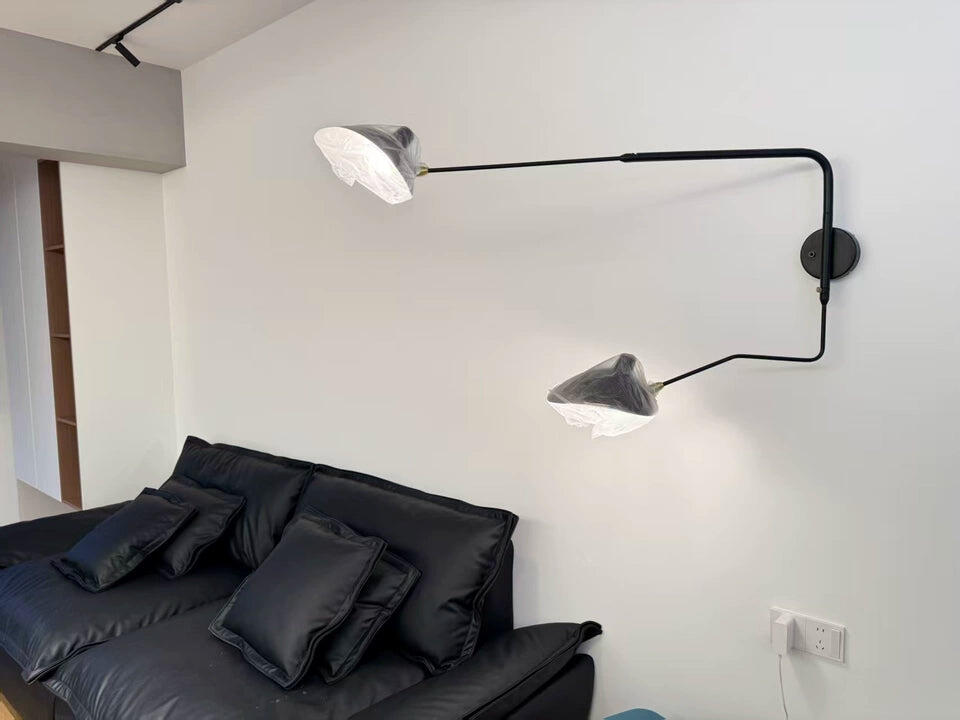
Swing-Arm/Adjustable Sconces: Feature an adjustable arm or head, allowing you to direct light exactly where you need it—perfect for reading nicks or home offices.
🛠️ 2. Installation & Sizing
Q3: What is the ideal installation height for a wall sconce?
The general rule of thumb is to ensure the light bulb is not directly at eye level to prevent glare:
-
Standard Hallways/Living Rooms: The center of the fixture should be about 1.5 to 1.8 meters (approx. 5 to 6 feet) above the floor.
-
Bedside (for reading): The bottom of the shade should sit about 60 to 75 centimeters (24 to 30 inches) above the mattress, or roughly 1.3 to 1.4 meters above the floor.
-
Vanity Mirrors: If mounted above the mirror, aim for 1.8 to 2.0 meters from the floor. If mounted on the sides, keep them about 75 to 100 centimeters (30 to 40 inches) apart.
Q4: Can I install a wall sconce if there are no pre-wired electrical boxes in my wall?
Yes, absolutely. You have two main alternatives:
-
Option A (Plug-in Sconces): Choose a sconce that comes with an exposed cord and a plug. You simply mount it to the wall and plug it into a nearby standard outlet. Cord covers can be used to hide the wire seamlessly.
-
Option B (Battery-Operated/Rechargeable Sconces): Many modern sconces feature magnetic, rechargeable LED bases. They require no wiring at all; you just stick or screw the mount to the wall and pop the light off when it needs a recharge.
💡 3. Light Source & Technical Features
Q5: What color temperature (light color) should I choose?
-
2700K – 3000K (Warm White): Best for bedrooms, living rooms, and entryways. It creates a cozy, relaxing atmosphere.
-
4000K (Neutral White/Natural Light): Best for hallways, staircases, and reading corners. It provides clean, crisp visibility without being overly harsh.
-
4000K – 5000K (Daylight/Cool White): Best for bathroom vanities. It offers accurate color rendering, which is essential for makeup application and shaving.
Q6: Should I get a dimmable wall sconce?
-
Highly Recommended for Bedrooms. Having a dimming feature (via a touch control, rotary switch, or smart app) drastically improves comfort. It allows you to have brighter light for reading and a faint, gentle glow if you need to get up in the middle of the night.
🧹 4. Maintenance & Cleaning
Q7: How do I clean and maintain wall sconces safely?
-
Safety First: Always turn off the power or unplug the fixture before cleaning.
-
Fabric/Paper Shades: Use a feather duster or a dry microfiber cloth to gently wipe away dust. Avoid water, which can stain.
-
Glass/Metal/Acrylic Fixtures: Wipe with a slightly damp cloth. For stubborn smudges, use a drop of mild dish soap, then immediately dry with a clean cloth. Avoid rubbing alcohol or harsh chemical cleaners, as they can strip or damage metal plating and finishes.