Low Ceiling Lighting Guide: How to Make a Room Feel Taller and Brighter
Low ceilings do not have to make a room feel small, cramped, or heavy. In fact, some of the coziest and most charming spaces feature lower clearances—think intimate bedrooms, snug home offices, and converted basements. The secret to unlocking their full potential lies entirely in how you light them.
With the right lighting strategy, even a compact space can feel significantly brighter, calmer, and more architecturally grand. The key is choosing fixtures that respect your vertical limits while maximizing atmosphere. Instead of relying on a single, oversized hanging light, mastering low ceiling lighting requires a smart combination of slim ceiling fixtures, vertical wall elements, and soft layers of illumination.
1. Choose Fixtures That Sit Close to the Ceiling
When every inch of vertical space matters, flush mount and semi-flush mount lights are your absolute best friends. They provide essential overhead illumination without encroaching on your valuable headroom, helping the room maintain an open and comfortable flow.
- Flush Mounts: These sit completely flush against the ceiling surface. If your ceilings are exceptionally low (under 8 feet), a clean, wide flush mount preserves the maximum amount of space while distributing light evenly.
- Semi-Flush Mounts: These drop down just a few inches below the ceiling. If you have a tiny bit more height to play with, a semi-flush design is perfect. It allows light to reflect off the ceiling itself (creating a bounce-light effect) while adding a decorative, sculptural presence to the room.
2. Avoid Fixtures That Hang Too Low
A dramatic, tiered chandelier can be breathtaking in a grand foyer, but in a low-ceiling room, it acts as a visual roadblock. It interrupts movement, creates a safety hazard in walkways, and forces the eye downward, making the ceiling feel even lower than it actually is.
If you want to make a design statement, swap tall vertical fixtures for wide, shallow, or horizontal designs. A fixture that expands horizontally captures attention and adds artistic flair without crowding your living space.
3. Layer Your Lighting Instead of Relying on One Source
Relying on a single, ultra-bright ceiling fixture to illuminate a whole room is a common design mistake. In a low-ceiling environment, this creates harsh downwards shadows, dark corners, and a flat, clinical atmosphere.
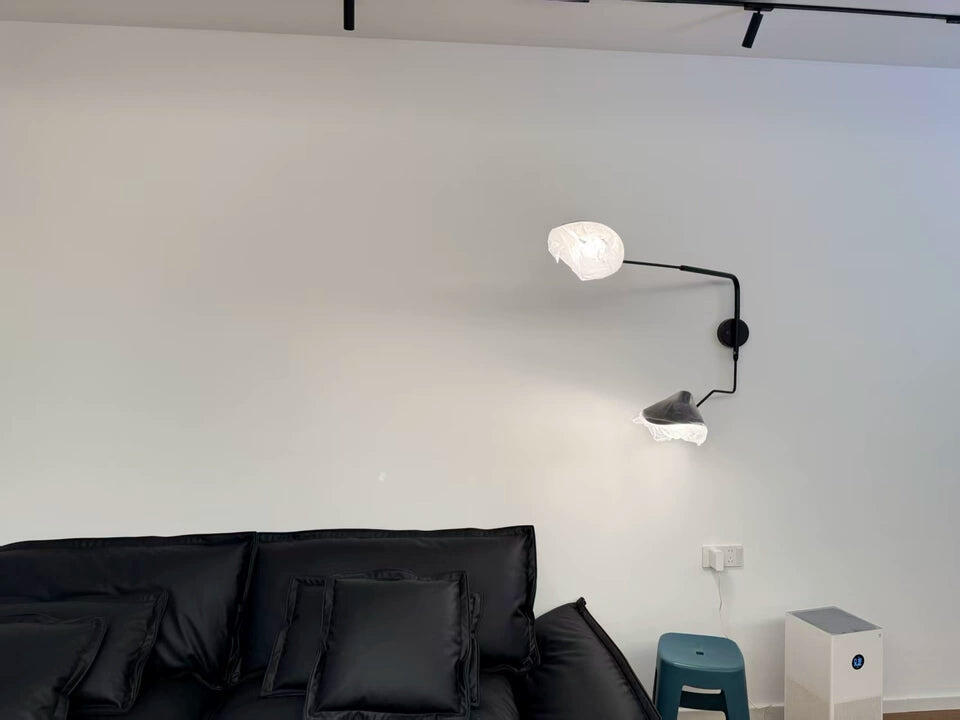
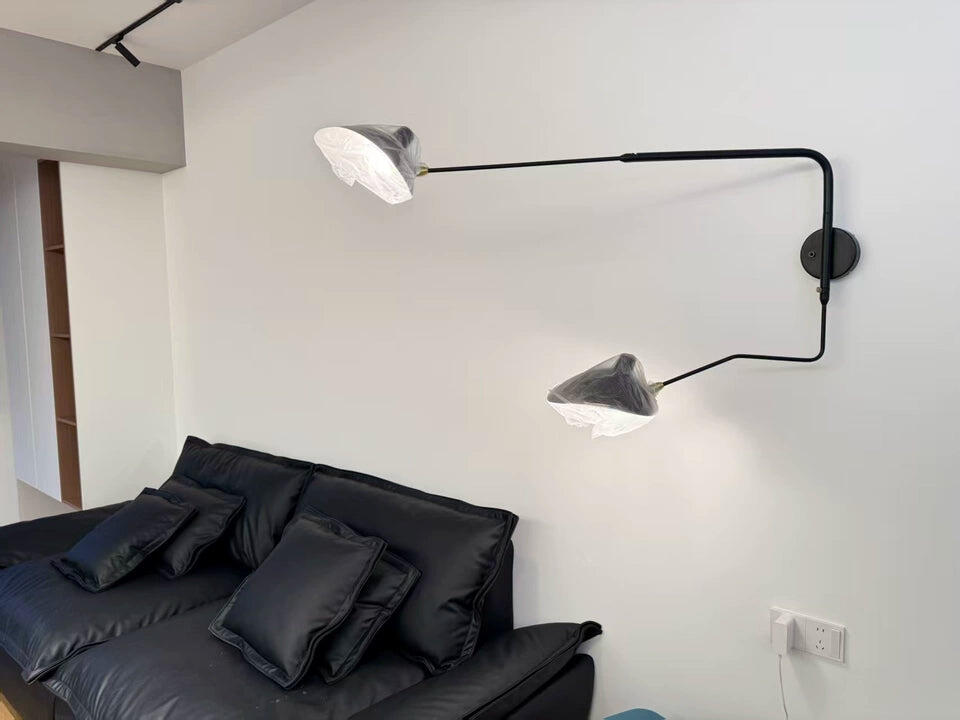
Instead, implement layered lighting. Combine a slim, elegant ceiling light with wall sconces positioned at eye level to draw the eye upward, and place table or floor lamps near seating areas to create pockets of warmth and depth.
4. Opt for Light Colors and Reflective Materials
The materials and finishes of your lighting fixtures play a massive role in how "heavy" a room feels. Dark, bulky, or completely opaque shades can make a ceiling feel like it is closing in.
For an airy, spacious vibe, choose fixtures crafted from clear or opal glass, natural capiz shells, alabaster, or polished metals. These premium materials beautifully diffuse or reflect light, multiplying brightness and acting like jewelry for your ceiling.
Quick Low Ceiling Lighting Checklist
Editor’s Picks: Elevate Your Space
Transparent Glass Petal Ceiling Light

Gold Grid Capiz Shell Semi-Flush Mount

Tiered Shell Disc Ceiling Light

Petal Blue Glass Ceiling Light

Alabaster Holmdel Ceiling Lamp

Hashira Ceiling Lamp

Pangen Ceiling Lamp

Faceted Shell Bloom Ceiling Light

Gingko Ceiling Lamp